Vestibular clinical assessment is a comprehensive evaluation performed to determine the causes of dizziness and balance disorders. This assessment forms the basis for an accurate diagnosis and treatment process.
Take the First Step Now
For more information, contact us
Schedule your appointment or online consultation with Prof. Dr. Mustafa Deniz Yılmaz now. Take the first step in your treatment process and let’s begin your journey to recovery together with personalized solutions.
The vestibular clinical assessment consists of a series of tests and examinations used to understand and diagnose patients’ balance system-related issues. This evaluation focuses on examining structures and functions related to balance, such as the inner ear, brainstem, and cerebellum. The vestibular clinical assessment process generally includes the following steps:
Evaluation of Patient History:
Symptom Identification: A detailed inquiry into symptoms such as dizziness, imbalance, vertigo, tinnitus, and hearing loss.
Onset and Duration of Symptoms: Examination of when the symptoms started, their duration, triggers, and intensity.
Medication and Medical History: Evaluation of the patient’s current and past medications, chronic diseases, previous infections, or traumas.
Physical Examination:
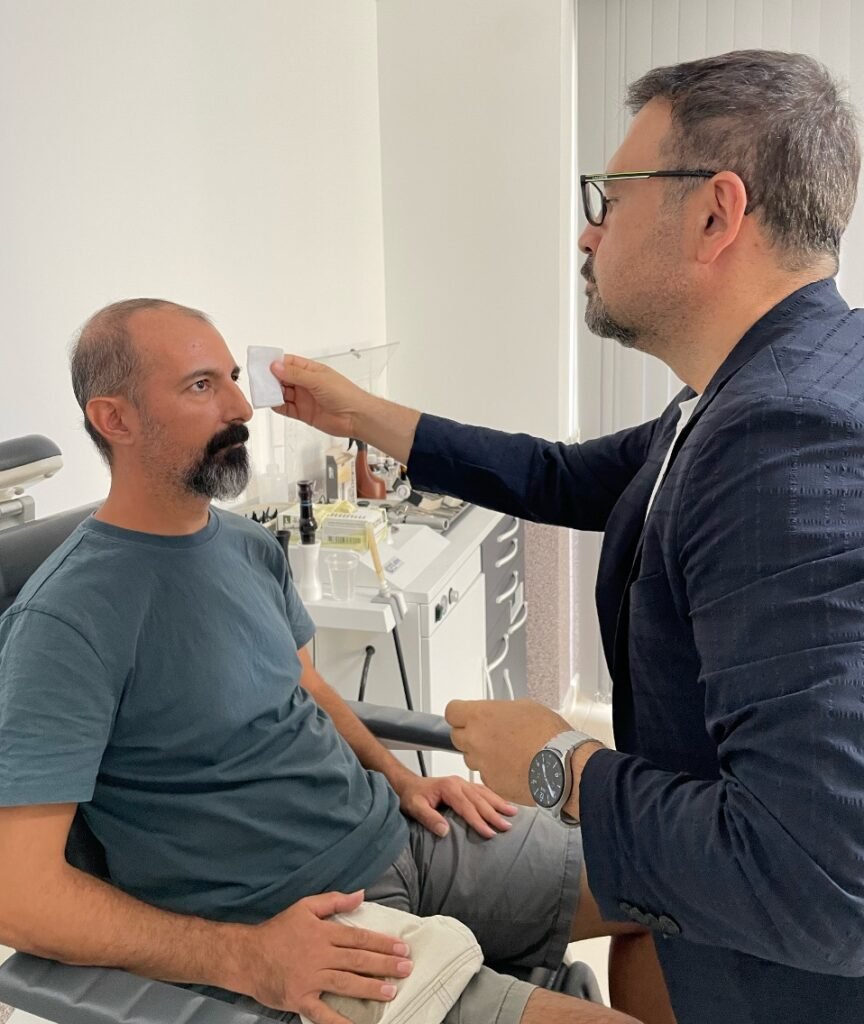
Examination of Eye Movements: Assessment for nystagmus (involuntary eye movements), which may indicate a disorder in the central or peripheral vestibular system.
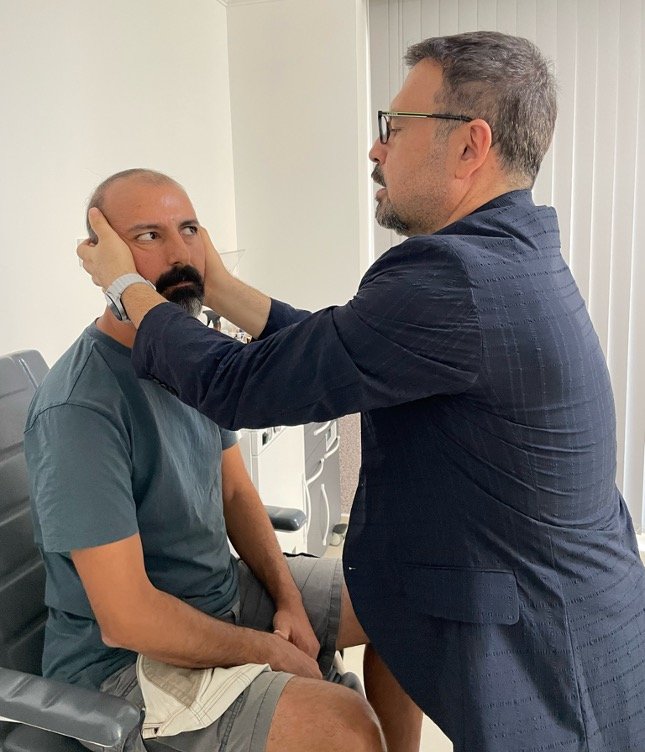
Head Rotation Tests: Observation of eye movements when the head is turned in various directions. These tests can help detect asymmetries in the vestibular system.
Dix-Hallpike Maneuver: A test performed when positional vertigo (e.g., benign paroxysmal positional vertigo – BPPV) is suspected. It checks for vertigo and nystagmus when the patient’s head is positioned in specific ways.
Vestibular Tests:
VNG (Videonystagmography): Evaluation of balance functions of the inner ear and central nervous system by monitoring eye movements.
VEMP (Vestibular Evoked Myogenic Potentials): Measurement of the contraction response of the sternocleidomastoid muscle with auditory stimuli. This test assesses the saccule (a part of the inner ear) and vestibulospinal reflex pathways.
Caloric Test: Evaluation of the vestibular system function in both ears by applying cold and warm water or air to the inner ear.
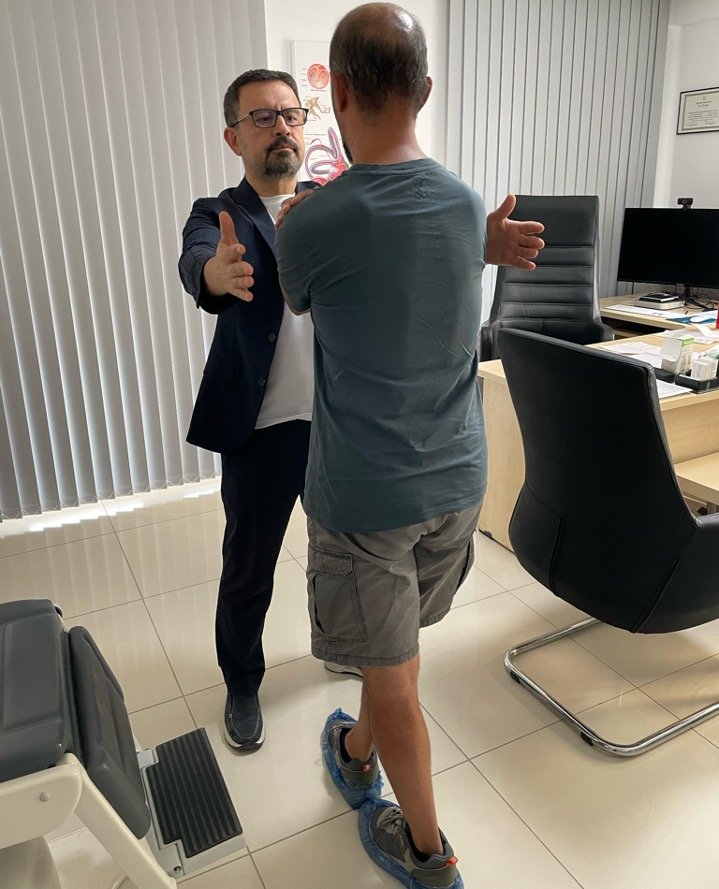
Posturography: A test measuring how balance is maintained in static and dynamic states. It evaluates the balance system while the patient stands on various surfaces.
Hearing Tests:
Audiometry: A test that evaluates hearing levels and can detect hearing loss, which may be associated with vestibular problems.
Tympanometry: Measures middle ear pressure, assessing the mobility of the eardrum and middle ear function.
Imaging Techniques:
MRI (Magnetic Resonance Imaging) or CT (Computed Tomography): Used to examine structures such as the inner ear, brainstem, and cerebellum in detail.
Treatment Plan Development:
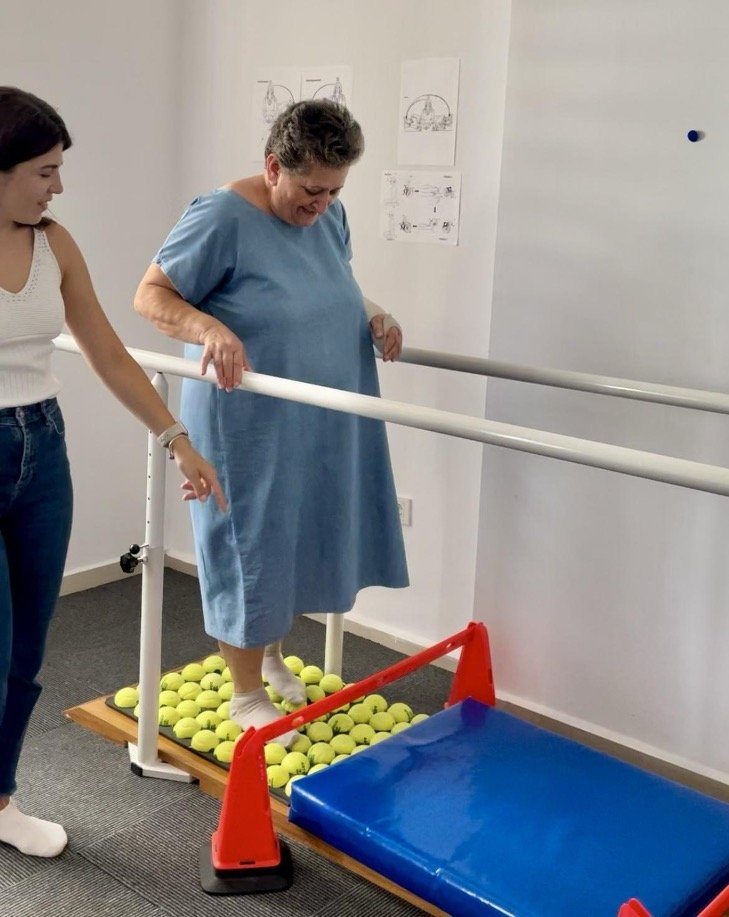
Rehabilitation Programs: Vestibular rehabilitation may include physical therapies and exercises to help patients manage balance issues.
Medication Therapy: Medications may be prescribed to alleviate symptoms or treat the underlying cause.
Surgical Intervention: In severe cases, surgical interventions may be required.
Vestibular clinical assessment helps identify the source of an individual’s balance problems and enables the determination of appropriate treatment options.
Schedule your appointment or online consultation with Prof. Dr. Mustafa Deniz Yılmaz now. Take the first step in your treatment process and let’s begin your journey to recovery together with personalized solutions.










 Rating


